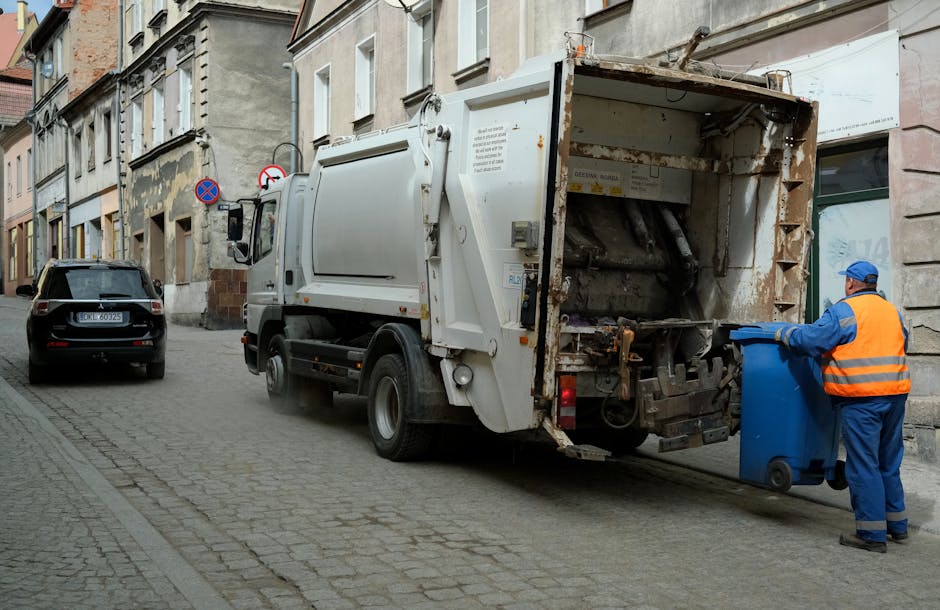
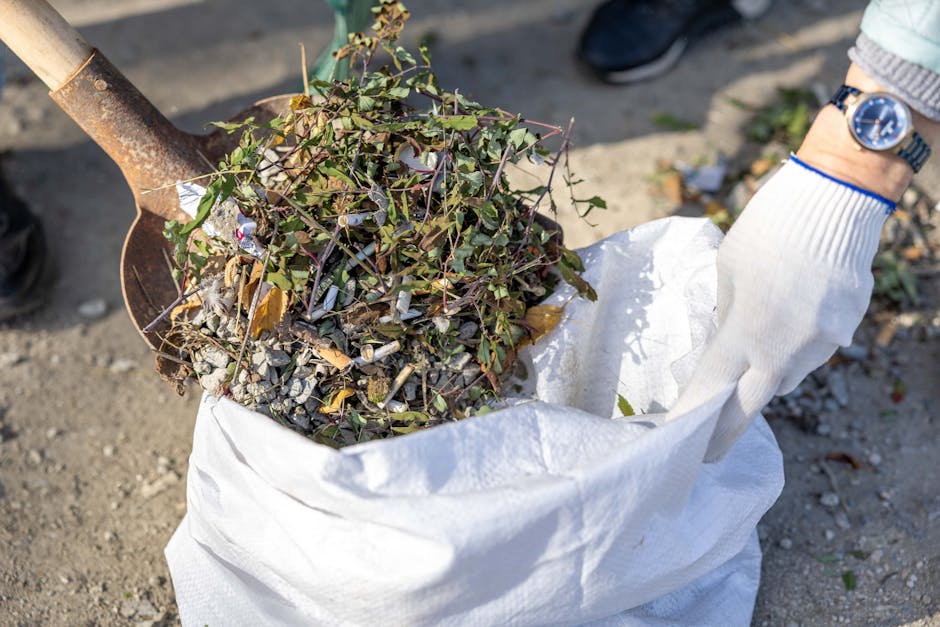
If you have ever stood in the garden with a pile of cuttings, branches, turf, and old compost bags thinking, "Right, what now?", you are not alone. Garden waste removal in Pinner sounds simple until you realise that the wrong disposal method can lead to complaints, missed collections, or worse, enforcement action and avoidable Harrow Council fines. The good news is that with a sensible plan, you can clear your outdoor space quickly, stay compliant, and avoid the awkward mess of fly-tipping or overloaded bins.
This guide explains how garden waste removal in Pinner works, what usually causes problems, and how to handle your green waste properly whether you are tidying a small patio, reshaping a hedge, or dealing with a full weekend garden overhaul. You will also see when a professional collection makes more sense than doing it yourself. And yes, it can save a headache or two.
Table of Contents
- Why it matters
- How it works
- Key benefits and practical advantages
- Who this is for and when it makes sense
- Step-by-step guidance
- Expert tips for better results
- Common mistakes to avoid
- Tools, resources and recommendations
- Law, compliance, standards, or best practice
- Options, methods, or comparison table
- Case study or real-world example
- Practical checklist
- Conclusion
- Frequently Asked Questions
Why Garden waste removal in Pinner: avoid Harrow Council fines Matters
Garden waste looks harmless. It is just grass, leaves, twigs, a few weeds, maybe a broken trellis if the weather has been unkind. But disposal is where problems start. Councils in London take waste presentation and duty of care seriously, and garden waste that is left out incorrectly, dumped on public land, or handed to someone who cannot dispose of it properly can become your problem very quickly.
In Pinner, the risk is not only about fines in a dramatic, worst-case sense. There are smaller, everyday problems too: sacks sitting outside too long, bags split by rain, missed collections, neighbours complaining about smell or mess, or contractors leaving you with no proof of proper disposal. That is how a tidy weekend project becomes an irritating admin trail.
To be fair, most people do not mean to break rules. They just want the pruning done, the lawn recovered, and the back corner of the garden cleared before the next rain. But garden waste is still a waste stream, which means it needs handling carefully. If it is mixed with soil, broken pots, treated timber, plastics, or household rubbish, it may no longer count as simple green waste. That is where people get caught out.
Expert summary: If you want to avoid Harrow Council fines, the safest approach is simple: separate your garden waste properly, use a legitimate collection route, keep records where appropriate, and never assume a random van can tip it legally. A neat garden should not create a messy compliance problem.
There is also a practical side. A well-managed garden clearance protects driveways, paths, and shared access routes from damage, and it can stop waste being dragged through the house. If you have ever heard damp hedge clippings slide around the back of a boot on a wet Monday morning, you will know exactly what I mean.
How Garden waste removal in Pinner: avoid Harrow Council fines Works
At its simplest, garden waste removal is the collection, loading, transport, and disposal or recycling of organic outdoor waste. That might include grass cuttings, leaves, hedge trimmings, branches, small roots, weeds, and plant matter. Some services can also take mixed garden debris, but that depends on how it is presented and whether anything non-green has been added.
The process usually follows a predictable pattern:
- Sort the waste. Green waste is separated from rubble, plastics, timber, and household items.
- Bag or bundle it. Loose clippings are often contained so they can be lifted cleanly and safely.
- Estimate the volume. This helps determine whether a small van load or a larger vehicle is needed.
- Collect and load. A crew or driver removes the waste from the property without leaving debris behind.
- Transport to the right facility. Reputable providers take it to a permitted site or recycling route, not a lay-by, verge, or someone else's bin store.
That last part matters more than people think. If a collector takes your waste and dumps it illegally, the original householder can still end up under scrutiny if they cannot show they used a responsible carrier. A few photos, a receipt, and basic due diligence go a long way.
For homeowners, landlords, tenants, and gardeners, the trick is choosing the right disposal route for the amount and type of waste. A small pruning job may be manageable in garden waste sacks, while a bigger clearance after trimming trees or redesigning a border can overwhelm a car boot in about twelve seconds flat.
If the clearance is part of a larger move or property reset, services such as removals or man and van support can help move bulky items away at the same time, which keeps the whole job more organised. For people dealing with leftover outdoor furniture or old broken items, furniture removals or furniture pick-up can also reduce the pile-up.
Key Benefits and Practical Advantages
There is more to proper garden waste removal than "getting rid of stuff." Done well, it makes the whole property easier to live with, easier to maintain, and less likely to cause friction with neighbours or the council.
- Cleaner outdoor space: The garden feels usable again instead of being half-workshop, half-jungle.
- Lower risk of complaints: No overflowing sacks, no stray branches, no lingering smell after rain.
- Better compliance: You reduce the risk of waste-handling mistakes that can lead to fines or warnings.
- Less physical strain: Heavy bags and thorny cuttings are not fun to drag around, especially up steps or narrow side passages.
- Faster turnaround: What might take you several trips can often be cleared in one organised visit.
- More recycling potential: Green waste can often be processed more responsibly when it is kept separate.
There is also a quieter benefit: peace of mind. Once the waste is gone properly, you can actually enjoy the garden. Sit with a coffee. Hear the birds. Notice the extra light. It sounds small, but after a proper clearance, people often say the whole house feels different.
For larger properties or more complicated jobs, it can help to think about the removal method early. A dedicated removal services team may be better for mixed household and garden items, while removal van capacity is often a practical fit for medium loads. If the job is time-sensitive, same day removals can be useful when a deadline is looming, though availability can vary.
Who This Is For and When It Makes Sense
Garden waste removal in Pinner is relevant to more people than you might expect. It is not just for people with large gardens or major landscaping work. In practice, it suits anyone who wants a cleaner, safer, more compliant way to clear outdoor waste.
You may need it if you are:
- tidying a front or back garden after seasonal pruning
- removing hedge trimmings after a big cutback
- dealing with waste from lawn renovation or planting
- clearing a rented property before checkout
- preparing a home for sale and want the outside to look presentable
- managing a probate property with neglected outdoor space
- looking after a business premises with shrubs, planters, or small green areas
- trying to avoid filling domestic bins with waste they were never meant to take
Landlords and letting agents often underestimate how much garden debris accumulates after a tenancy. A patch of overgrown hedge cuttings and broken plant pots can become a surprisingly large load. Likewise, a homeowner doing a spring clear-out may discover old compost bags, damp logs, and soil-heavy planters all mixed together. That is where people start to wish they had planned it properly.
If the clearance is attached to a house move, it can make sense to combine it with house removals or even house removalists if you are tackling indoor and outdoor contents at once. For smaller flats with access constraints, flat removals may be the more relevant route. The point is not to overcomplicate it; it is to match the method to the actual job.
Step-by-Step Guidance
If you want to avoid Harrow Council fines and keep the process smooth, follow a simple sequence. It does not need to be fancy. It just needs to be done properly.
- Walk the garden first. Identify what is actually garden waste and what is not. Broken tiles, paint tins, treated wood, and household rubbish should be separated.
- Sort by material. Put green waste together. Keep heavy soil and rubble apart if possible. Mixed loads can be harder to handle and may cost more.
- Bag or bundle sensibly. Use sturdy bags and manageable bundles. Wet grass and branches get heavy quickly, so do not make heroic-sized sacks. Your back will complain.
- Check access. Think about side gates, steps, narrow paths, parked cars, and awkward corners. A clear route saves time and avoids damage.
- Decide on collection method. If it is a small amount, a simple pickup may be enough. If there is a bigger clear-out, book a vehicle with the right capacity.
- Ask how it will be disposed of. A reputable provider should be able to explain where the waste goes in broad terms and how they handle recycling.
- Keep proof. Retain the invoice or job confirmation. If there is ever a question later, that record matters.
- Finish with a sweep. Once the waste is removed, check for stray twigs, soil, nails, or bag fragments. It is usually the little bits that make a space look untidy.
If you are booking broader moving support at the same time, it can help to review pricing and quotes carefully so you know what is included and what is not. Mixed jobs are often cheaper and easier when they are planned as one visit rather than several rushed ones.
Expert Tips for Better Results
Here are the small things that make a big difference. These are the sort of details people only learn after one or two annoying clearances, which is probably how most of us learn everything, to be fair.
- Separate green waste early. Do not let it mix with packaging, old compost tubs, or random household bits.
- Keep dry and wet loads apart if you can. Wet clippings are much heavier and messier.
- Cut long branches down. Shorter lengths are easier to stack and safer to carry.
- Use gloves and eye protection. Thorny shrubs are not forgiving. Neither are splinters.
- Measure access before collection day. A van that cannot reach the gate is a van with a problem.
- Think about timing. Early morning collections are often easier before bins, cars, and deliveries clutter the street.
- Plan for soggy weather. A drizzle turns neat piles into slippery, heavier loads. London weather, doing what it does best.
One overlooked tip: if your garden waste includes a lot of soil-covered roots or turf, ask whether it should be treated differently. It may still be removable, but it is not quite the same as loose clippings. That distinction affects loading, weight, and disposal method.
Another practical pointer is to keep indoor and outdoor waste separate. It sounds obvious until you are halfway through a job and one pile starts swallowing the other. Then, well, it gets messy fast.
Common Mistakes to Avoid
Most trouble with garden waste removal comes from a handful of avoidable mistakes. Here is the short version.
- Using the wrong bin. Domestic waste bins are not a free-for-all for large garden clearances.
- Leaving waste on the pavement. That can create obstruction and complaints, even before disposal issues come into play.
- Mixing waste types. Once green waste is mixed with general rubbish, handling becomes more complicated.
- Hiring an untraceable collector. If there is no clear business identity, no paperwork, and no explanation of disposal, walk away.
- Underestimating volume. A few shrubs can look tiny in the garden and enormous once cut down.
- Forgetting about garden furniture or old materials. A rotten fence panel or cracked planter may need a different disposal approach.
- Assuming everything can go together. It cannot, not always. That's the bit that catches people out.
A small but important point: if you are removing items after a property changeover, check any tenancy obligations or local arrangements before dumping anything. "I didn't know" is not much comfort when a complaint arrives later.
Tools, Resources and Recommendations
You do not need a van full of specialist kit for a basic garden clearance, but a few simple tools make the job cleaner and safer.
- Heavy-duty garden waste bags: Better than thin bags that split under wet clippings.
- Gloves: Essential for thorny branches, nettles, and rough timber.
- Pruning shears or loppers: Useful for shortening awkward branches.
- Broom and dustpan: Helps with the final sweep after loading.
- Tarpaulin: Handy for keeping waste contained on the ground or in transit.
- Wheelbarrow: Saves repeated carrying if the garden has a long run to the access point.
On the service side, it helps to choose a provider who is transparent about safety, handling, and payment. Pages such as insurance and safety, health and safety policy, and payment and security are useful trust markers because they show the business takes the job seriously. If sustainability matters to you, recycling and sustainability is worth reading too.
For bigger or mixed-property jobs, a man with van or man with a van option can be a practical fit when you need flexibility without booking a large vehicle. If the job includes packing for storage or clearing indoor items before an outside clearance, packing and boxes and storage may also come into the picture.
Law, Compliance, Standards, or Best Practice
This section is where a little caution goes a long way. Garden waste disposal can sit within wider waste-handling expectations, and the exact rules can depend on how, where, and by whom the waste is collected. Rather than guessing, use practical best practice: keep waste separated, avoid fly-tipping risks, and use a lawful route with traceable paperwork.
In everyday terms, the safest habits are:
- do not leave waste where it can obstruct pavements or shared access
- do not hand waste to someone who cannot explain where it will go
- do not mix garden waste with hazardous or non-organic material
- do not rely on informal disposal arrangements that cannot be checked later
- do keep evidence of collection and payment
For households and small businesses in Pinner, that approach is usually enough to stay on the right side of local expectations. If you are ever unsure, treat the waste conservatively and ask for clarification before collection. A five-minute question now is much better than a long conversation later.
Good operators also tend to have clear service terms, which is why pages like terms and conditions and about us are worth a look before you book. It is not glamorous reading, granted, but it tells you a lot about how the business works.
Options, Methods, or Comparison Table
There is no single best method for every garden clearance. The right choice depends on volume, urgency, access, and how mixed the waste is.
| Method | Best for | Pros | Watch out for |
|---|---|---|---|
| Domestic bin collection | Very small amounts of light green waste | Convenient if the volume is tiny | Not suitable for larger clearances; bins fill fast |
| DIY transport to a disposal site | People with a suitable vehicle and spare time | Direct control over the process | Multiple trips, manual loading, and access issues |
| Dedicated garden waste pickup | Regular or one-off green waste removals | Faster, cleaner, less hassle | Needs good communication about volume and waste type |
| Mixed-load removal service | Garden waste plus bulky items | Useful for major clear-outs | Requires clear sorting to avoid disposal problems |
If you are unsure, think about the job honestly. A small hedge trim after lunch is one thing. A full weekend of clearing ivy, branches, old planters, and a broken bench is another. No shame in choosing the easier route.
For broader property work, you might also compare removal companies versus a smaller van-led option. The right answer depends on whether you are clearing one pile or several different types of waste and belongings.
Case Study or Real-World Example
Here is a realistic scenario. A Pinner homeowner spends a Saturday cutting back an overgrown hedge along the side return and pulling up several dead shrubs from the rear border. By 2 p.m., the garden looks better, but the waste pile has grown into three separate heaps: thorny branches, wet leaves, and a few old bags of soil and broken plastic pots.
At that point, many people make the same mistake. They try to squeeze everything into domestic bins over several weeks. The result is a messy side passage, bags left out in rain, and waste that is still sitting there days later. Neighbours notice. The garden starts to smell damp. And the whole thing drags on.
In a better approach, the waste is sorted on the spot, anything non-green is separated, and the load is booked for a proper collection. The branches are cut into manageable lengths, the wet material is contained, and the whole lot is removed in one visit. The garden is cleared by early evening, and the homeowner can actually use the space on Sunday morning instead of staring at it through the kitchen window with a sigh.
That is the real value here. Not drama. Not complexity. Just a calm, lawful, practical cleanup that does not come back to bite you later.
Practical Checklist
Use this before your collection or disposal day.
- Have I separated garden waste from general rubbish?
- Are branches cut down to manageable lengths?
- Are bags strong enough for wet clippings?
- Have I removed anything hazardous, treated, or non-organic?
- Is access clear for loading?
- Do I know roughly how much waste there is?
- Have I kept any booking or collection confirmation?
- Do I understand how the waste will be disposed of?
- Have I checked whether bulky outdoor items need a separate service?
- Is the pavement, driveway, or shared entrance still clear after the job?
If you can tick most of those off, you are in a strong position. If not, pause and sort it first. A small delay is better than a big avoidable problem.
Conclusion
Garden waste removal in Pinner should be straightforward, but only if you treat it like a proper disposal task rather than an afterthought. The practical steps are simple: sort the waste, avoid mixing materials, choose a lawful collection route, and keep a record of what you booked. That is usually enough to stay compliant and avoid Harrow Council fines or any other unnecessary hassle.
For most households, the best result comes from planning the job properly before the first branch is cut. For bigger clearances, mixed loads, or time-sensitive jobs, professional removal support can save time, reduce stress, and keep everything neat from start to finish. Honestly, that peace of mind is worth a lot.
Get a free quote today and see how much you can save.
And if your garden ends the day looking clean, open, and ready for a quiet cup of tea, that is a pretty good outcome really.
Frequently Asked Questions
What counts as garden waste in Pinner?
Garden waste usually includes grass cuttings, leaves, hedge trimmings, weeds, small branches, roots, and plant matter. It does not usually include household rubbish, rubble, treated timber, or broken plastic items.
Can I put garden waste in my regular household bin?
Only small amounts, and only if your bin service allows it. Larger volumes are better handled through a proper garden waste collection or removal service, because bins fill quickly and heavy loads can be awkward or unsuitable.
How do I avoid Harrow Council fines for garden waste?
Separate your waste properly, do not dump it on pavements or public land, and use a legitimate collection route with clear records. The main risk comes from poor disposal habits and using untraceable collectors.
Is fly-tipping garden waste a real problem?
Yes, it is. Even small piles left in the wrong place can cause issues, especially if they block access or are collected by someone who disposes of them illegally. If in doubt, use a traceable service.
Do I need to bag garden waste before collection?
Bagging helps a lot, especially for cuttings and leaves. It keeps the load tidy, makes lifting safer, and helps prevent bits being left behind. Long branches are often better bundled or shortened first.
Can professional collectors take mixed garden and household waste?
Sometimes, yes, but mixed loads need to be sorted carefully. The more mixed the load, the more important it is to explain exactly what is included so the disposal route is appropriate.
What should I do with old pots, broken fencing, or plant containers?
Do not assume they belong in green waste. These items may need to be separated and handled differently, especially if they are plastic, painted, treated, or contaminated with soil and debris.
How much does garden waste removal usually cost?
Costs vary with volume, access, and the type of waste. The fairest approach is to ask for a quote based on the actual load and any extra handling involved.
Is same-day garden waste removal possible?
Sometimes it is, depending on schedule and vehicle availability. If you have a deadline, ask early because same-day collections can fill up fast during busy periods.
What is the best option for a large garden clearance?
For bigger jobs, a dedicated removal service or van-based collection is often the most efficient route. It reduces trips, saves time, and makes it easier to keep waste separated and properly handled.
Can garden waste removal help if I am moving house?
Absolutely. Many people clear the garden at the same time as the house, which makes the property look better and reduces the amount of clutter left behind. If you are relocating, combining services can be far easier.
What if my garden waste includes a lot of soil?
Soil-heavy loads can be much heavier than they look. It is worth flagging this early because it can affect vehicle choice, loading method, and disposal arrangements. Wet turf and roots are similar; they add weight fast.