Health and Safety Policy for Man And Van Pinner
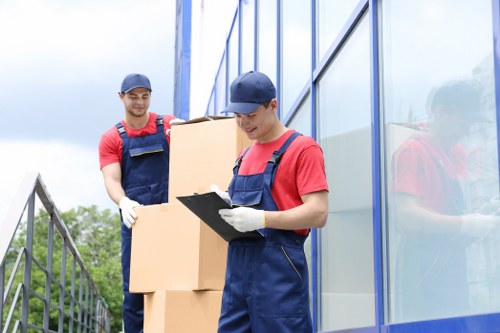 At Man And Van Pinner, health and safety is treated as a core responsibility in every move we carry out. Whether handling household goods, office items, or single bulky pieces, our aim is to reduce risk for staff, customers, and members of the public. This policy explains the standards we follow to keep each man and van service in Pinner safe, efficient, and professionally managed.
Our approach is based on planning, awareness, and control. Every job begins with assessing the work environment, identifying possible hazards, and deciding how to manage them before lifting or loading starts. We expect all team members to act carefully, communicate clearly, and report anything that may affect safety. By maintaining consistent standards, our man and van Pinner service supports both speed and protection.
Safety is not limited to the vehicle or the load. It includes the route to the property, stairways, walkways, weather conditions, and the safe movement of items through doorways and shared spaces. For this reason, each Man And Van Pinner assignment is approached with attention to detail and a practical understanding of how risks can change during the day.
Our Safety Principles
 We follow a simple set of principles designed to keep every man with a van in Pinner operation safe and controlled:
- Risk assessment: Review the property, access points, load size, and likely hazards before work begins.
- Manual handling care: Use correct lifting methods, team lifting, and suitable equipment where needed.
- Vehicle safety: Keep vehicles roadworthy, clean, and loaded securely to prevent movement in transit.
- Personal responsibility: Ensure every worker remains alert, sober, and fit for duty.
- Customer protection: Respect the property, avoid obstruction, and keep the work area orderly.
These principles help us deliver a dependable man and van Pinner service while reducing the chance of injuries or damage. They also support smoother operations, since safe work is usually more organised work. We encourage early communication so that access issues, fragile goods, or unusually heavy items can be planned for properly.
All equipment used in the move must be suitable for the task. This may include trolleys, straps, blankets, gloves, and other protective items. We check that equipment is in usable condition and that it is employed correctly. A reliable Man And Van Pinner service depends on combining practical skill with the right tools.
Responsibilities of Staff and Customers
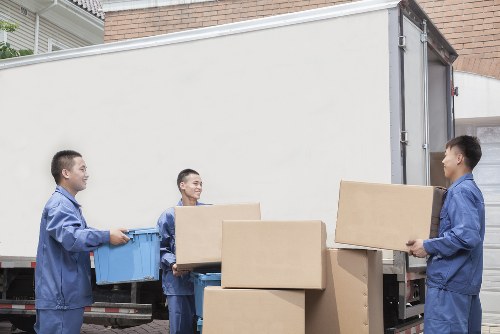 Our staff are responsible for working carefully, following instructions, and using safe lifting practices at all times. They must not attempt a lift that is too heavy or awkward without help. If conditions change, such as poor weather or restricted access, the team must pause and reassess the job. This flexible response is a key part of a responsible man and van in Pinner operation.
Customers can also help by preparing the property and sharing accurate information before the move. Items should be separated where possible, fragile possessions identified, and access routes kept clear. Pets, loose cables, wet floors, and obstructed pathways can all create avoidable risks. Clear preparation supports a safer man and van Pinner experience for everyone involved.
We also expect respectful conduct throughout the process. That means no rushing unsafe lifts, no carrying items that block sightlines without support, and no leaving tools or packaging in places where they may cause trips. A careful Man And Van Pinner approach protects both people and property while helping the move progress smoothly.
Handling, Loading, and Transport
Loading is one of the most important safety stages in any move. Heavy items should be placed securely and low in the vehicle, with lighter or delicate items positioned to avoid crushing or sliding. Straps, covers, and careful stacking are used where appropriate. This makes the man and van Pinner service safer during braking, turning, and unloading.
When moving items through narrow spaces or stairs, our team works at a controlled pace and communicates clearly. Where necessary, two-person handling is used to reduce strain and prevent collisions with walls, bannisters, or furniture. We avoid unnecessary shortcuts and always choose the safest method, even if it takes a little longer.
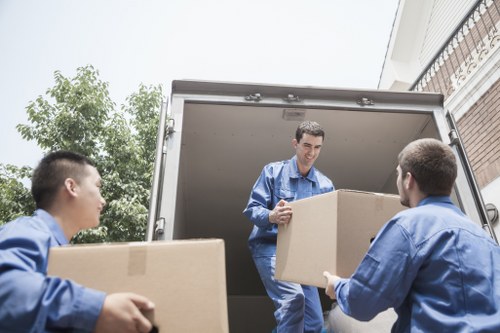 In transit, the vehicle is driven with due care and attention. Speed, loading balance, and secure fastening all matter, especially when carrying fragile or valuable goods. Safe driving is part of our overall health and safety commitment, and it reflects the professional standards expected from a man and van Pinner provider.
Incident Reporting and Review
Despite careful planning, incidents or near misses can still happen. When they do, the matter is reported promptly so that it can be reviewed and, if necessary, prevented from recurring. This may include slips, lifting strain, minor damage, or vehicle-related concerns. A consistent review process strengthens every Man And Van Pinner job over time.
We encourage a culture of learning rather than blame. If a hazard is identified, it is addressed immediately and used to improve future planning. Regular review helps us refine our procedures, keep standards high, and maintain a dependable man and van in Pinner service that customers can trust for safe handling and transport.
 This policy is reviewed periodically to ensure it remains practical, effective, and aligned with the way we work. Health and safety is part of everyday practice, not a separate task. By keeping safety at the centre of each move, Man And Van Pinner continues to provide a careful, responsible, and well-managed service.