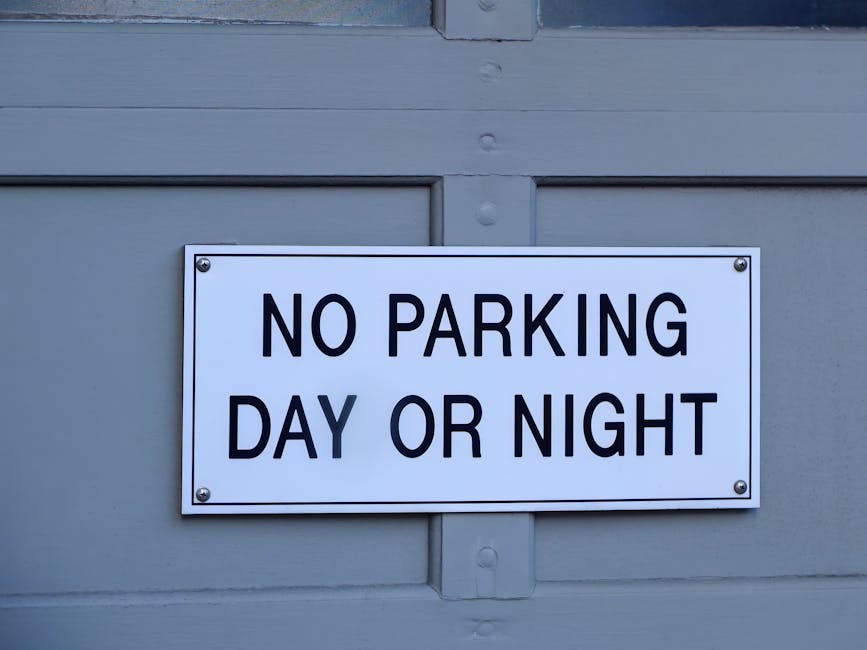
Pinner parking suspensions: when to book a removal bay
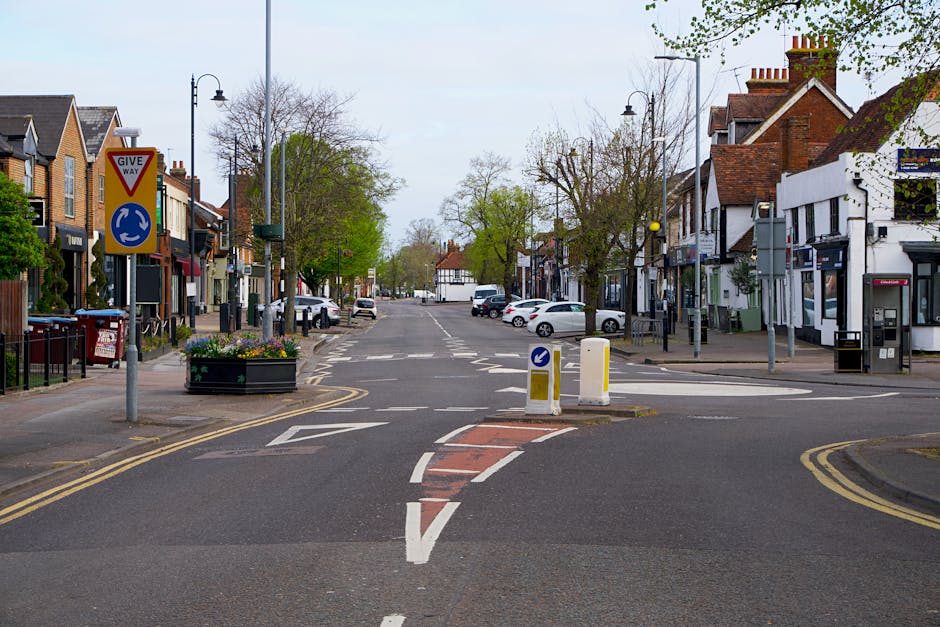
If you are planning a move in Pinner, one of the smallest details can make the biggest difference: Pinner parking suspensions: when to book a removal bay. Get it right and the van stops close to your door, the lifting is smoother, and the whole day feels calmer. Get it wrong and you can end up circling the street, carrying boxes farther than you wanted, or watching the clock while the driver looks for a legal space that simply does not exist.
That is why the timing matters. A removal bay or a suspended bay is not just paperwork. It is the practical bit that keeps the move moving. In busy residential streets, near flats, or on roads with limited waiting space, it can be the difference between a tidy handover and a slightly chaotic morning with cardboard everywhere and someone muttering under their breath. Truth be told, most moving-day stress starts with parking.
This guide explains when to book a removal bay, how parking suspensions usually work in practice, who needs one, and how to avoid common mistakes. You will also find a simple checklist, a comparison table, and a realistic example so you can plan with confidence.
- Why parking suspensions matter in Pinner
- How a removal bay or parking suspension works
- Key benefits and practical advantages
- Who needs this and when it makes sense
- Step-by-step guidance
- Expert tips for better results
- Common mistakes to avoid
- Tools, resources and recommendations
- Law, compliance and best practice
- Options and comparison table
- Case study or real-world example
- Practical checklist
- Conclusion
- Frequently asked questions
Why Pinner parking suspensions: when to book a removal bay Matters
Pinner has plenty of lovely streets, but many of them are not generous when it comes to loading space. You may have residents' bays, shared parking, permit restrictions, yellow lines, or a road that always seems to be busy at exactly the wrong time. When you are moving house, a parking suspension or removal bay booking can protect the single thing you need most: access.
This matters for more than convenience. A moving van parked legally and close to the property saves time, reduces carrying distance, and lowers the chance of damage. It also helps the crew work safely. Nobody enjoys carrying a wardrobe across a narrow pavement while trying to dodge a reversing car. Let's face it, that is a recipe for a bad afternoon.
The issue becomes even sharper if you are moving from a flat, a townhouse with no driveway, or a property on a road where turning space is tight. In those cases, the parking arrangement is not a side note. It is part of the move itself. Planning early means you can line up the bay booking, the van, and the packing schedule instead of treating parking as a last-minute scramble.
For bigger or more complicated moves, it can also be sensible to think about the wider service package. A proper removal services booking, or even a more flexible man and van option, is much easier to coordinate when the parking plan is sorted first. If the vehicle cannot stop close to the property, everything takes longer. Simple as that.
How Pinner parking suspensions: when to book a removal bay Works
In plain English, a parking suspension or removal bay is a temporary arrangement that reserves road space near your property for loading and unloading. The exact process can vary depending on the street and the local authority's procedures, but the principle is always the same: you want a legal place for the van to sit while the move happens.
There are a few common versions of this arrangement:
- Temporary parking suspension - an existing bay is paused for a set period, usually so a removals vehicle can use it.
- Dedicated removal bay - an area is marked or approved for loading during your move.
- Loading window on a controlled road - in some cases, the booking is less about painting a new bay and more about formally reserving or allowing access for a short period.
What you actually need depends on the street layout, the vehicle size, and how long the crew will be working. A small flat move with a compact van may need only a short loading period. A larger family home, office move, or piano relocation may need more room and more time. You can probably guess which one creates the least stress. It is not the one with three flights of stairs and a double wardrobe.
Timing is the other important piece. If the street is permit-controlled, popular with commuters, or prone to overflow parking, you should not leave the booking until the week of the move. In practice, the earlier you begin planning, the better your odds of securing the right arrangement for the right time slot.
If you are still deciding which type of service suits the move, it can help to compare your options with pages such as house removals, flat removals, or student removals. The parking need is often tied to the property type as much as the distance of the move.
Key Benefits and Practical Advantages
A properly planned parking suspension or removal bay booking offers more than a convenient place to stop. It improves the whole moving experience in ways people often notice only after the day has started.
- Shorter loading times: the crew can work faster when the van is close to the entrance.
- Less carrying distance: fewer steps, fewer corners, and less chance of bumping furniture.
- Lower stress: you are not gambling on finding a space at the exact time the van arrives.
- Safer handling: safer for people and items, especially for awkward or heavy goods.
- Better timing control: the schedule is easier to keep on track.
- Reduced neighbour friction: no awkward improvising with driveways, double parking, or blocked access.
There is also a subtle benefit that gets missed a lot: confidence. When the parking is organised, you feel more in control. That sounds small, but on moving day, small things count. A well-timed bay booking can turn the morning from "we hope this works" into "right, let's get on with it".
For homes with bulky furniture, fragile items, or multiple entry points, the difference is even bigger. Services like furniture removals or piano removals are especially sensitive to vehicle access. Nobody wants a heavy item carried unnecessarily far in wet weather. British rain does not exactly make things easier, does it?
Who This Is For and When It Makes Sense
Parking suspensions and removal bay bookings are not for every move, but they make sense more often than people think. If your property has private off-street parking and a wide access route, you may not need one. If not, the conversation changes quickly.
You are most likely to need a bay booking if you are:
- moving from a terraced house with on-street parking only
- leaving or entering a flat on a busy road
- moving at a time when local parking is usually full
- using a large removals van or truck
- moving furniture, white goods, or specialist items
- organising a same-day or tightly scheduled move
It also makes sense for commercial moves, where timing and access are even more critical. If you are relocating a small office or a workspace with deliveries in and out, the parking plan needs to be done before the first box is moved. In those cases, commercial moves and office removals often benefit from a formal loading plan rather than hoping a space will appear.
Student moves are another classic example. You might only have a few items, but you also tend to be working around tighter dates, shared entrances, and very little spare time. That is exactly when a bay booking can save an annoying amount of running around.
Step-by-Step Guidance
If you want the simplest possible way to decide when to book a removal bay, use this process. It is not fancy. It works.
- Check the property and street first. Look at whether there is off-street parking, permit parking, yellow lines, or obvious loading restrictions.
- Estimate how much space the vehicle needs. A small van is one thing; a larger removal truck is another. If the vehicle is likely to overhang or block traffic, you need to plan carefully.
- Map the loading distance. From the parked vehicle to the front door, is it a few steps or a long carry? The answer matters more than people expect.
- Work backwards from moving day. If the road is busy or controlled, book early rather than leaving it until the last minute.
- Choose the right time window. Give yourself enough time for loading, traffic, and the inevitable little delay, because there is always one.
- Confirm the move details with your removals provider. Make sure they know where the vehicle can stop, what the access looks like, and whether there are any obstacles.
- Prepare residents or neighbours if needed. A bit of notice can avoid complaints and awkward conversations on the morning.
A good rule of thumb: if you are even slightly unsure whether parking will be easy, plan as though it will be difficult. That approach saves surprises. Moving day has enough surprises already.
If you need a service that can adapt to tighter access, pages like removal van and man with van are useful starting points. For larger loads, a moving truck or removal truck hire may be more appropriate, but the parking requirements rise with the vehicle size.
Expert Tips for Better Results
Here is where a little experience goes a long way. The people who handle moves smoothly tend to think about parking the same way they think about packing: early, practically, and with a bit of room for things to go sideways.
- Book earlier than you think you need to. If your street is tight or busy, do not wait until the final week.
- Allow extra time for lift access and stairwells. Bay bookings should match the actual pace of the job, not your ideal version of it.
- Keep the route from van to property clear. Bins, scooters, and random clutter become obstacles very fast.
- Use labels and grouped boxes. The quicker the crew can identify where items go, the less time the van sits outside.
- Think about weather. Rain, wind, or a slick pavement makes long carries slower and less comfortable.
- Tell the removals team about awkward items. A grand piano, oversized wardrobe, or glass table changes the parking plan.
Another small but useful point: try not to assume that a "short stop" will be enough. Many moves start with optimism and then need an extra ten minutes because the keys are late, the lift is busy, or someone forgot a box of cables in the kitchen. That is normal. Build in breathing space and you will feel the difference immediately.
When the move involves multiple rooms or a full property, pairing parking planning with packing and boxes or packing and unpacking services can really help. Less time hunting for materials means more time getting the actual move done.
Common Mistakes to Avoid
People usually do not get parking wrong because they are careless. More often, they are busy, tired, or trying to juggle too many moving parts at once. Still, a few mistakes come up again and again.
- Leaving the booking too late. This is the classic one. The street fills, time runs out, and everyone improvises.
- Choosing the wrong vehicle size. A van that is too large for the road can cause more problems than it solves.
- Not checking access restrictions. One-way systems, loading limits, and resident-only bays can trip people up.
- Forgetting about the return trip. You may need the space not only for loading out, but also for any final collection or clean-up.
- Assuming the parking plan is obvious to the crew. It is not, unless you have actually explained it.
- Overlooking storage needs. If the move is staged, a bay may be needed for a smaller load today and another vehicle later.
There is also a human mistake that happens more than people admit: trying to make do with "just around the corner". That extra corner is where time disappears. And boxes get heavy. Fast.
If your move may need part-loading, temporary holding, or a split delivery, it is worth looking at storage as part of the plan. Sometimes the smartest parking decision is actually a logistics decision: move less at once, and move it more cleanly.
Tools, Resources and Recommendations
You do not need complicated tools to manage a removal bay booking well. A few practical basics are usually enough.
- Photos of the street and frontage: useful when explaining access to the removals team.
- A written moving-day timeline: even a simple note on your phone helps keep things on track.
- Property measurements: handy if you are comparing van sizes or checking whether the vehicle can safely stop nearby.
- Box labels: boring, yes, but they speed up unloading a lot.
- Contact details for the moving team: if parking changes on the day, quick communication matters.
It is also worth reviewing practical information from the moving company itself before you book. Pages like pricing and quotes, insurance and safety, and health and safety policy can help you understand how a professional move is usually handled. Not glamorous reading, granted, but useful.
If you are comparing providers, look for clear communication, sensible scheduling, and a realistic view of access. The best operators do not promise magic. They plan properly. That is the difference.
Law, Compliance, Standards, or Best Practice
Parking suspensions and removal bay arrangements sit within local traffic management rules, so the exact process can vary by authority and by street. The safest approach is to treat the booking as a formal access arrangement, not an informal favour. In practice, that means checking the relevant council process early, confirming what information is needed, and allowing time for approval.
From a best-practice point of view, there are a few principles worth following:
- Do not block access without permission. Even if it seems temporary, it can create avoidable issues.
- Make sure the vehicle arrangement is lawful for the location. Size and stopping time both matter.
- Keep pedestrians safe. Clear signage, clear paths, and sensible handling reduce risk.
- Plan around neighbours and building rules. Flats, managed blocks, and shared access roads often have their own expectations.
For professional removals, good compliance is not just a legal box-tick. It is part of delivering the job properly. A company that respects access rules, works safely, and communicates clearly is helping protect your move as much as your furniture.
That is one reason many customers prefer a service with clear operational standards and transparent terms. You can review the provider's terms and conditions before booking, which is a sensible habit even if it does feel a bit grown-up and dull. Still worth doing.
Options, Methods, or Comparison Table
If you are unsure whether you need a removal bay, here is a simple comparison of the most common approaches. It is not about picking the fanciest option. It is about choosing the one that fits the street and the move.
| Option | Best for | Pros | Limitations |
|---|---|---|---|
| No bay booking | Easy access, private driveway, quiet street | Simple, quick, no extra planning | Risky if spaces are limited or the road is busy |
| Temporary parking suspension | Controlled streets, busy residential roads, flats | Creates reserved access for loading | Needs advance planning and confirmation |
| Smaller van and short loading stop | Light moves, smaller properties, tight roads | More flexible, easier to position | May not suit large furniture or full-house moves |
| Larger removals vehicle with formal bay booking | Full-house, office, or heavy-item moves | Efficient loading, better capacity | Needs more coordination and careful parking |
For many readers, the choice comes down to this: if the move is small and the road is forgiving, you may not need a suspension. If parking is scarce or the job is larger than a couple of boxes and a lamp, formal planning starts to pay off very quickly.
Case Study or Real-World Example
A typical Pinner scenario goes something like this. A family is moving out of a terraced property on a narrow road. There is no driveway, the street is usually busy by mid-morning, and the front door opens straight onto the pavement. They originally thought the van could "just stop outside for a bit".
On review, that turned out to be optimistic. A better plan was to book a temporary parking arrangement so the vehicle could load close to the house. The removals team arrived, parked without fuss, and kept the run from door to van short. Boxes went out in order, the sofa fit through without a detour, and the loading finished before the street got congested. Nothing dramatic happened. Which, honestly, is the best kind of moving day.
The real lesson was not that the job became easy. Moving rarely is. The lesson was that the parking plan removed friction before it could turn into delay. In our experience, that is often what people notice most afterwards. They do not rave about the bay booking itself. They just remember that the day felt manageable.
Another example is a small office relocation. A team moving printers, files, and desks from a busy high street site will often need a more structured access plan than a standard domestic move. In that setting, the parking arrangement supports both timing and safety. It also helps keep staff from wandering in and out of the road while trying to carry screens. Not ideal. Not at all.
Practical Checklist
Use this checklist in the days before your move. It is short on purpose. A long checklist can become a procrastination tool, and nobody needs that.
- Check whether your property has private parking or only on-street options.
- Confirm whether the road usually fills up at your moving time.
- Decide whether the vehicle needs a formal loading space.
- Estimate how long loading and unloading are likely to take.
- Tell your removals provider about access issues, stairs, lifts, or narrow entrances.
- Label boxes and separate fragile items clearly.
- Keep pathways, halls, and the front step as clear as possible.
- Have building or landlord contact details ready if access is shared.
- Plan for a little extra time, just in case.
- Double-check the day-before details so there are no awkward surprises.
Expert summary: If parking is even mildly uncertain, book the bay or suspension early enough to fit your move around it. It is nearly always easier to adjust the schedule than to fight for space on the day.
For related moving support, you may also want to explore home moves if you are relocating an entire household, or same-day removals if your timing is especially tight. And if you want to understand who is handling the job, the about us page is a sensible place to start.
Conclusion
So, when should you book a removal bay in Pinner? The simple answer is: as soon as you realise parking could be tight. If the move is on a busy road, involves a flat, uses a larger van, or depends on precise timing, do not leave it to chance. A parking suspension or reserved loading space is one of those small decisions that can quietly save the day.
Good moving plans are not built on luck. They are built on access, timing, and clear communication. Get those three things aligned and the rest feels far more manageable. You may still be tired by the end, of course. That part is hard to avoid. But you will be tired in a much better mood.
Get a free quote today and see how much you can save.
And if you are looking ahead to moving day with a bit of trepidation, that is perfectly normal. Sort the parking, and you have already solved one of the biggest headaches. One step at a time.
Frequently Asked Questions
Do I always need a removal bay for a move in Pinner?
No. If you have private off-street parking, a clear driveway, or an easy loading area, you may not need one. The need usually depends on how busy the street is, how limited parking becomes, and how far the van would be from the property.
How far in advance should I book a parking suspension?
As early as possible. If your street is controlled, narrow, or regularly full, early planning is the safer choice. Leaving it until the last minute can make the whole move more difficult than it needs to be.
What is the difference between a parking suspension and a removal bay?
A parking suspension usually means an existing parking space is temporarily restricted or paused for your use. A removal bay is a reserved loading space set aside for the move. The terms are sometimes used loosely, but the practical goal is the same: legal access for the vehicle.
Can I manage without a bay if the move is small?
Sometimes, yes. A small move with a compact van and easy street access may not need formal parking controls. But if the road is busy, even a small job can become awkward fast. Small move, small van, still a parking headache. It happens.
Is a removal bay useful for flat moves?
Very often, yes. Flats frequently involve shared access, limited stopping space, and longer carrying distances. That is why flat removals commonly benefit from a planned loading arrangement.
What if I am moving heavy furniture or a piano?
Then access matters even more. Heavy or awkward items are much easier to handle when the van can stop close to the entrance. For specialist items, a proper parking plan is more than helpful; it is almost part of the equipment.
Will a larger van always be better?
Not always. A larger van can be more efficient for volume, but it may be harder to park or position on a tight road. The best choice balances load size, access, and the street layout. Bigger is not automatically better. Annoying, but true.
Do I need to tell the removals company about parking restrictions?
Yes. Always. The crew needs to know where they can stop, how much space is available, and whether there are access limits or timing constraints. Good communication makes a huge difference.
What if parking changes on the day?
If possible, inform the moving team immediately and adjust quickly. Having a backup plan helps, especially if the original space has been taken or blocked. A little flexibility goes a long way on moving day.
Is parking planning different for office moves?
Usually, yes. Office moves often involve more coordination, more vehicles, and stricter timings. A commercial move may also have building rules, service entrances, or loading bay access to consider, so parking planning should be handled early.
How do I know whether to choose a man and van or a full removals service?
Think about the volume, the distance to carry, and how complicated the access is. A smaller move may suit a flexible van-based service, while a full household relocation may need a more structured removals team. If in doubt, compare the access needs against the service type before booking.
Where can I find pricing information before I book?
You can review the provider's pricing and quotes page first. That gives you a clearer picture before you commit, which is always a good habit when you are planning a move.
When the parking plan is right, everything else gets easier. That is the real takeaway, and it is worth remembering the next time you are staring at a busy Pinner street and wondering how on earth the van is going to fit.